Starting a YouTube Gaming Channel as a Beginner: What’s Different From Normal YouTube
When I first thought about starting a YouTube gaming channel, I assumed it would be similar to starting any other YouTube channel. Create an account, upload consistently, improve over time – simple.
That assumption was wrong.
Starting a YouTube channel is hard in general, but gaming works by different rules. And most beginners (including me early on) only realize this after months of posting and seeing very slow growth.
Gaming Is a Crowded Space – Even Before You Upload
In many YouTube niches, you can grow by sharing opinions, teaching skills, or talking about your experiences. Viewers often come for you.
Gaming doesn’t work that way at the beginning.
In gaming, most viewers come for:
- The game
- The moment
- The experience
The creator comes later.
That means when you upload your first few videos, you’re not just competing with other beginners – you’re competing with:
- Channels that started 10 years ago
- Creators uploading daily
- People who already dominate that game
This doesn’t mean you shouldn’t start.
It means you should adjust expectations early, or you’ll get frustrated fast.
If you’re completely new to content creation, I’ve already explained this step by step in my guide on how to start a YouTube channel, where I break down the basics without overthinking gear, skill level, or perfection.
Choosing Games Is Not Just About What You Like
One mistake I see beginners make (and almost made myself) is choosing games purely based on passion.
Passion matters – but it’s not enough.
In gaming, your game choice decides:
- How discoverable your videos are
- How fast (or slow) growth happens
- Who your audience becomes
There are broadly three types of games beginners choose:
- Story-based games
- Evergreen games
- Trending games
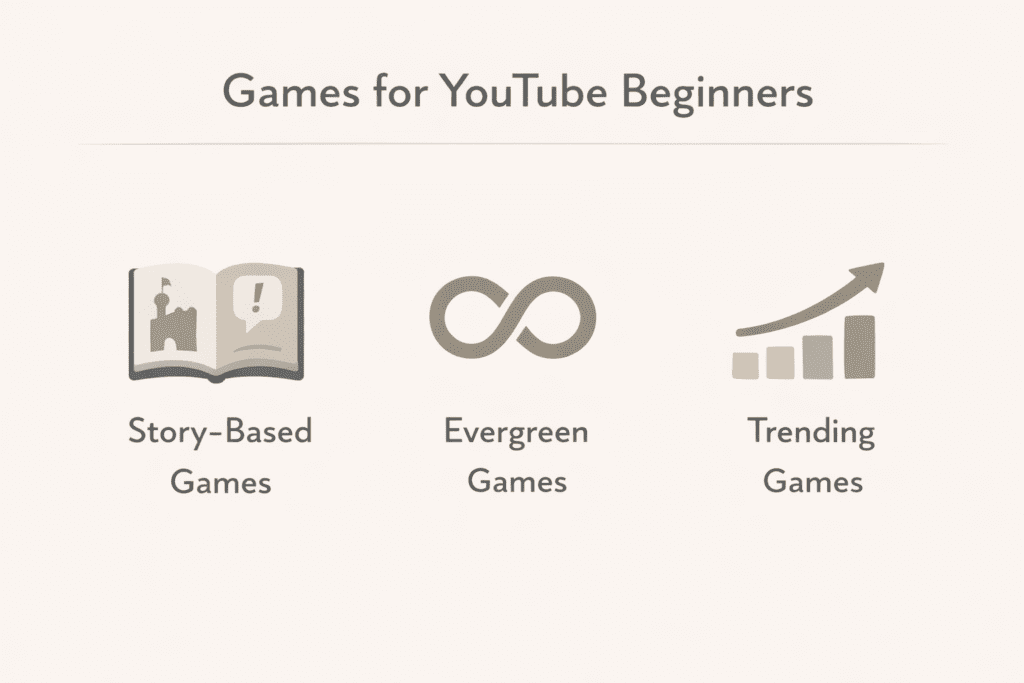
Each has trade-offs. Story games grow slower but attract loyal viewers. Trending games can spike but are brutally competitive. Evergreen games sit somewhere in the middle.
Uploading random games without a plan is one of the fastest ways to confuse both viewers and the algorithm.
Early on, the goal isn’t to cover everything.
It’s to give YouTube a clear signal about what your channel is about.
This becomes even more important if you’re focusing on a specific franchise. For example, when I planned my content around Resident Evil, I had to think differently about game order, audience expectations, and long-term interest – something I’ve explained in detail in my post on how to start a Resident Evil gaming channel.
You Don’t Need to Be a Pro – But You Can’t Be Careless
There’s a myth that you need insane skills to grow in gaming.
That’s not true.
But here’s the part people don’t say out loud:
you still need to be watchable.
Viewers don’t expect perfection, but they do expect:
- Clear gameplay
- Some form of structure
- A reason to keep watching
What hurts beginner gaming channels isn’t low skill – it’s:
- Long silent sections
- Unedited, messy gameplay
- No explanation of what’s happening
I’ve clicked off many gaming videos not because the player was bad, but because the video gave me no reason to stay.
Being average is fine.
Being unfocused isn’t.
Not All Gaming Content Grows the Same Way
This surprised me the most.
In other YouTube niches, short videos or quick tips can perform well early. In gaming, content format matters a lot.
Many beginners upload long gameplay videos thinking:
“People will watch if they like the game.”
Most won’t.
Long, raw gameplay is the slowest format to grow with – especially for new channels. Shorter, more intentional videos usually perform better early on.
Shorts can help with discovery, but they don’t automatically build loyal viewers.
Gaming audiences have endless options. If your video doesn’t respect their time, they’ll leave – and YouTube notices that immediately.
Setup Is Overhyped (And It Delays Most People)
Before starting, I believed I needed:
- A powerful gaming PC
- A capture card
- An expensive mic
- A perfect setup
That belief alone stops a lot of beginners.
The reality is simpler:
- Viewers care more about clarity than quality
- Good audio matters more than visuals
- Expensive gear doesn’t fix boring content
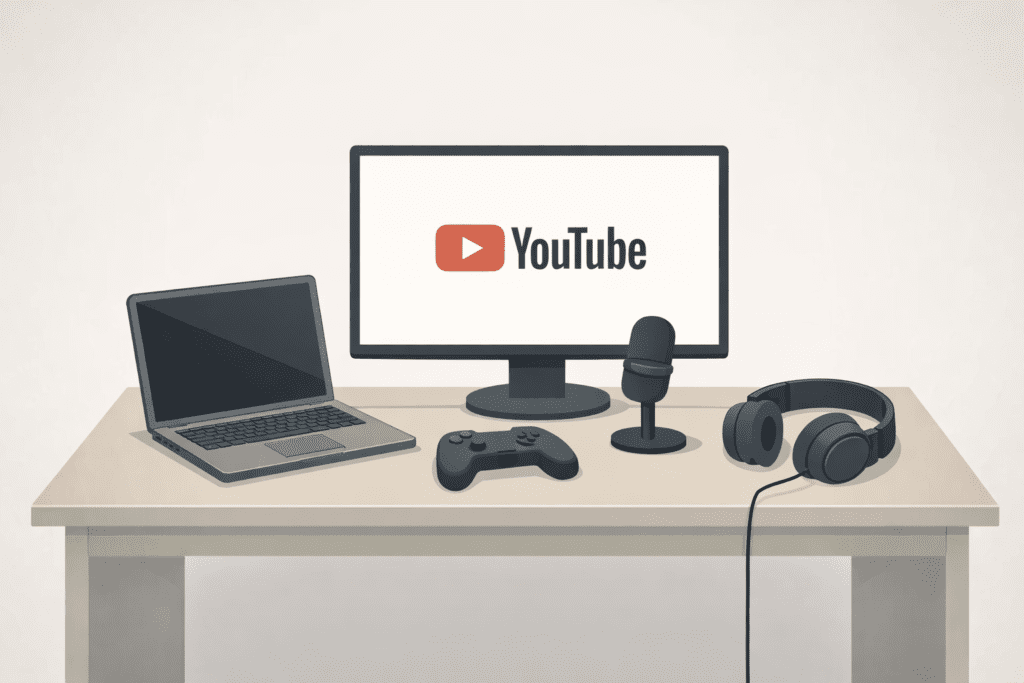
Many channels upgrade their setup after gaining traction, not before.
Spending money early feels productive, but it often just delays publishing – and publishing is the only thing that actually teaches you what works.
Gaming Grows Slower Than Most Niches – Accept This Early
This is the hardest part to accept.
Compared to other YouTube niches:
- Gaming videos take longer to get impressions
- Growth is slower at the start
- Progress feels invisible for a while
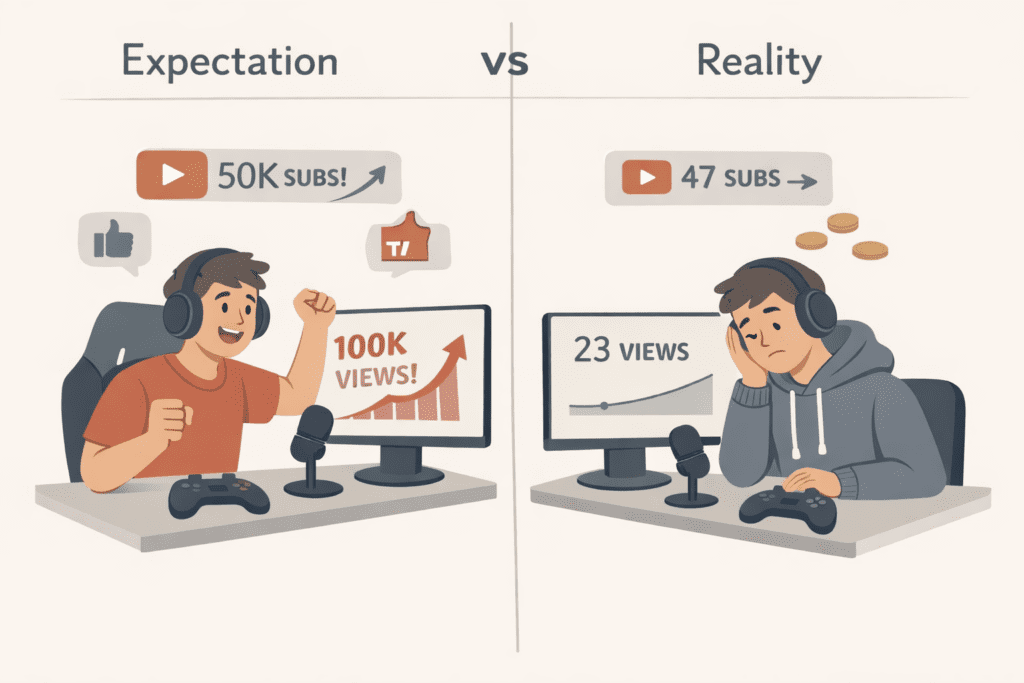
You might upload consistently and still see:
- 20–50 views per video
- Slow subscriber growth
- No clear feedback
That doesn’t mean you’re failing.
It means you’re in a crowded niche with long feedback loops.
Most gaming channels quit not because they’re bad, but because they expected faster results.
Why So Many Beginners Quit Gaming Channels
From what I’ve seen, most beginner gaming channels don’t fail because of a lack of talent.
They fail because:
- Expectations were unrealistic
- Comparison killed motivation
- Progress felt too slow to justify effort
Gaming requires patience in a way many niches don’t. You’re building skill, audience, and understanding all at once.
If you expect constant validation, gaming will drain you.
If you treat it as a long-term project, it becomes manageable.
How This Fits With General YouTube Growth
All normal YouTube rules still apply:
- Titles matter
- Thumbnails matter
- Consistency matters
But gaming adds extra layers:
- Game selection
- Format decisions
- Pacing and watch time
That’s why understanding general YouTube growth first is important and then adjusting for gaming.
Gaming doesn’t replace YouTube fundamentals.
It magnifies them.
If you want to understand the bigger picture beyond gaming, all of my foundational posts live inside the YouTube Growth category.
Final Thoughts
Starting a YouTube gaming channel isn’t about being the best gamer or having the best setup.
It’s about:
- Making smart game choices
- Setting realistic expectations
- Creating content people can actually watch
- Sticking around longer than most beginners do
Once you understand how gaming is different from normal YouTube, things make more sense and frustration drops.
From there, it’s just consistency, learning, and time.
If you’re serious about gaming content, I’ll be publishing more practical posts inside my YouTube Gaming Guides category for beginners.